
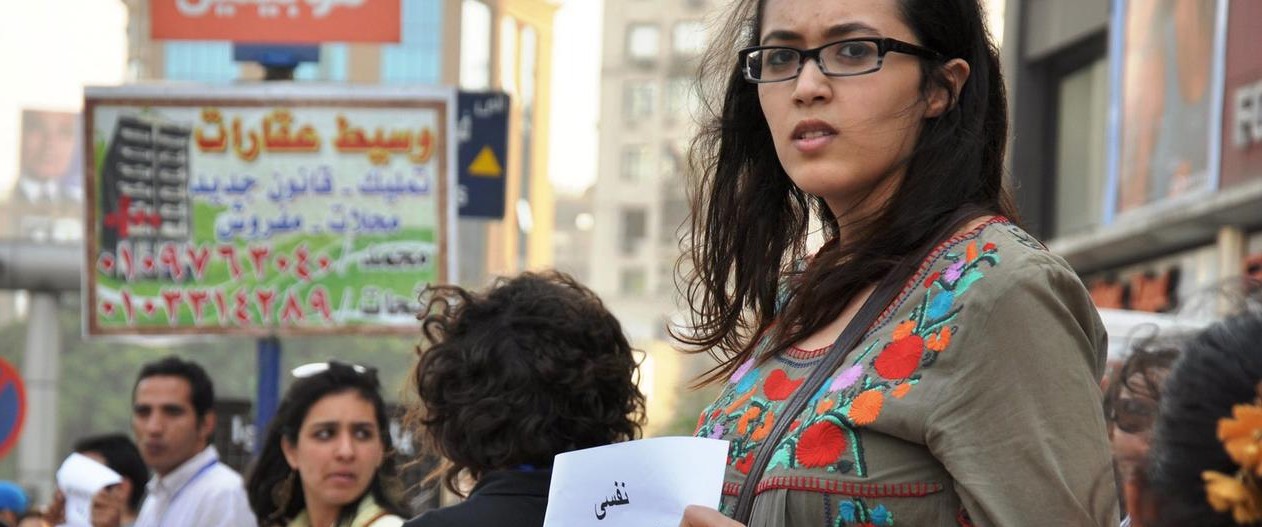
Beyond Lighting: A New Paradigm for Urban Safety
For too long, discussions about women's safety in cities have been reduced to simplistic solutions like better street lighting and increased police presence. While these measures are important, they represent only the most basic level of intervention. Creating truly safe cities for women requires a fundamental rethinking of how we design, plan, and manage urban spaces. It demands an approach that recognizes women's unique mobility patterns, social roles, and safety concerns as central to urban planning rather than as afterthoughts.
The current urban planning paradigm, largely developed by and for men, has created cities that work well for those who can move freely and confidently through public spaces. However, for women who often navigate cities with heightened awareness of potential threats, these same spaces can feel hostile and restrictive. This gender-blind approach to urban design has resulted in cities where women's access to education, employment, and social opportunities is limited by safety concerns rather than by their own aspirations or capabilities.
The need for gender-responsive urban planning has never been more urgent. As cities worldwide grapple with rapid urbanization, climate change, and social transformation, the opportunity exists to build inclusive urban environments from the ground up. This requires moving beyond reactive safety measures to proactive design that considers women's needs at every stage of urban development, from transportation systems to public spaces, housing, and community facilities.
"Safe cities are not just cities where women feel secure, but cities where women can fully participate in urban life without fear limiting their choices."
— UN Women Safe Cities Initiative
Gender-Responsive Urban Design Principles
Gender-responsive urban planning begins with understanding how women use and experience public spaces differently from men. Research consistently shows that women prioritize safety, accessibility, and social connectivity in their mobility choices. They are more likely to use public transportation, walk for short distances, and combine multiple purposes in single trips. Urban design that accommodates these patterns creates more livable cities for everyone.
One key principle is the concept of "defensible space" – designing areas that naturally encourage positive social behavior and discourage criminal activity through environmental design. This includes clear sightlines, well-maintained spaces, and natural surveillance opportunities. However, defensible space must be balanced with privacy needs and should not create environments that feel overly controlled or institutional.
Mixed-use development that brings residential, commercial, and recreational spaces together reduces the need for women to travel long distances alone, particularly at night. Well-designed neighborhoods with local amenities within walking distance empower women to move independently while maintaining safety through constant activity and natural surveillance. This approach not only enhances safety but also promotes sustainable urban development and community cohesion.
The design of streets and sidewalks plays a crucial role in women's safety. Wide, well-lit sidewalks with clear pedestrian zones, safe crosswalks, and traffic calming measures create environments where women feel confident walking. The inclusion of "park once" districts where multiple destinations are accessible from a single parking spot reduces the need for multiple trips and parking maneuvers that can feel vulnerable.
Transportation Systems and Women's Mobility
Public transportation represents both a solution and a challenge for women's safety in cities. While reliable, affordable public transit can greatly enhance women's access to opportunities, poorly designed systems can create significant safety risks. Women often face harassment on buses, trains, and at transit stops, particularly during off-peak hours when fewer people are present.
Gender-responsive transportation planning addresses these issues through dedicated women's compartments on trains, well-lit and monitored transit stops, and comprehensive security measures. Real-time tracking apps and emergency communication systems provide additional layers of safety. However, the most effective approach is designing systems that are so reliable and well-used that natural surveillance and community presence deter inappropriate behavior.
The integration of cycling and pedestrian infrastructure specifically designed for women's needs represents another important aspect of safe urban mobility. Covered bicycle parking, well-maintained pedestrian paths, and bike-sharing programs with safety features can encourage women to choose active transportation options. The key is creating infrastructure that feels safe and convenient, not just available.
Last-mile connectivity solutions are particularly important for women, who often need to travel from transit stops to their final destinations. Safe walking routes, well-lit pathways, and community escort services can bridge this gap. Technology solutions like ride-sharing apps with safety features and GPS tracking provide additional options for women who need flexible transportation.
Community and Social Factors in Urban Safety
While physical design is crucial, women's safety in cities is also deeply influenced by social and community factors. Urban planning that fosters community cohesion and social capital creates environments where people look out for one another. Mixed-income neighborhoods, community centers, and public spaces that encourage social interaction build the social fabric that supports safety.
The presence of "eyes on the street" – whether through residential windows, commercial establishments, or community activities – provides natural surveillance that enhances safety. Urban design that encourages street-level activity, such as ground-floor retail and residential units, creates vibrant, well-used spaces that are inherently safer than deserted areas.
Community engagement in urban planning is essential for creating spaces that truly meet women's needs. Women must be involved in the design process from the beginning, bringing their unique perspectives on safety, accessibility, and usability. This participatory approach ensures that solutions are not just technically sound but also culturally appropriate and practically effective.
Cultural attitudes and social norms play a significant role in urban safety. Urban planning that challenges harmful gender stereotypes and promotes gender equality creates more inclusive environments. Public art, community programs, and educational initiatives can help shift social attitudes and build support for gender-responsive urban development.
Policy Frameworks and Implementation Challenges
Creating safer cities for women requires strong policy frameworks that institutionalize gender-responsive planning. This includes gender impact assessments for all urban development projects, mandatory inclusion of women's safety considerations in planning guidelines, and dedicated funding for gender-responsive initiatives. Without policy support, well-intentioned safety measures often remain fragmented and ineffective.
Implementation challenges are significant. Urban planning is often siloed, with transportation, housing, and public safety handled by different agencies with limited coordination. Gender-responsive planning requires breaking down these silos and creating integrated approaches that consider the full spectrum of women's needs. This demands new institutional arrangements and collaborative working methods.
Resource constraints pose another challenge. Gender-responsive urban planning often requires additional investment in infrastructure, technology, and community programs. However, these investments typically pay dividends in terms of increased economic participation, reduced social costs, and improved quality of life. The challenge is making the case for these investments in a context where short-term budget pressures often dominate decision-making.
Measuring the effectiveness of gender-responsive urban planning remains difficult. Traditional safety metrics often fail to capture the nuanced ways in which urban design affects women's lives. New evaluation frameworks that consider factors like women's mobility patterns, access to opportunities, and sense of security are needed to guide policy and practice.
Case Studies: Learning from Success Stories
Cities around the world have demonstrated that gender-responsive urban planning can significantly improve women's safety and quality of life. Vienna, Austria, has implemented comprehensive pedestrian and cycling infrastructure that has made the city highly walkable and safe for women. The city's focus on mixed-use development and public transportation has created an environment where women can move freely and independently.
In Medellín, Colombia, innovative urban planning transformed one of the world's most dangerous cities into a model of inclusive development. The city's integrated transport system, public spaces, and community programs have significantly improved safety for women and vulnerable populations. The "Metrocable" system not only provides transportation but also creates safe corridors through previously dangerous neighborhoods.
New York City's Safe Routes to School program demonstrates how small-scale interventions can have significant impacts. By creating safe walking and cycling routes to schools, the program has increased children's independent mobility while creating safer streets for everyone. Similar approaches could be adapted for women's safety in urban environments.
In India, cities like Bengaluru and Pune have implemented women-friendly urban design features such as pink autorickshaws, women-only metro compartments, and safe walking routes. While these initiatives show promise, they also highlight the need for comprehensive, city-wide approaches rather than isolated interventions.
Future Directions: Building Inclusive Cities
The future of urban planning lies in creating cities that are not just safe for women but actively enable their full participation in urban life. This requires moving beyond viewing women as vulnerable users of public space to recognizing them as active contributors to urban development. Women's perspectives must inform every aspect of urban planning, from transportation to housing, public spaces to economic development.
Technology will play an increasingly important role in creating safer cities. Smart city technologies can provide real-time safety information, emergency response systems, and data-driven planning insights. However, technology must be deployed in ways that enhance rather than replace human-centered approaches to safety.
The integration of climate resilience and gender-responsive planning offers opportunities for holistic urban development. As cities adapt to climate change, they can simultaneously address women's safety needs through improved infrastructure, green spaces, and community resilience programs. This integrated approach creates multiple benefits and maximizes the impact of urban investments.
Ultimately, creating safer cities for women is not just a matter of policy or design – it's a fundamental commitment to gender equality and social justice. When women can move freely and safely through their cities, they can fully participate in economic, social, and political life. This not only benefits women individually but strengthens communities and societies as a whole. The cities that embrace this vision will be the ones that thrive in the 21st century.