
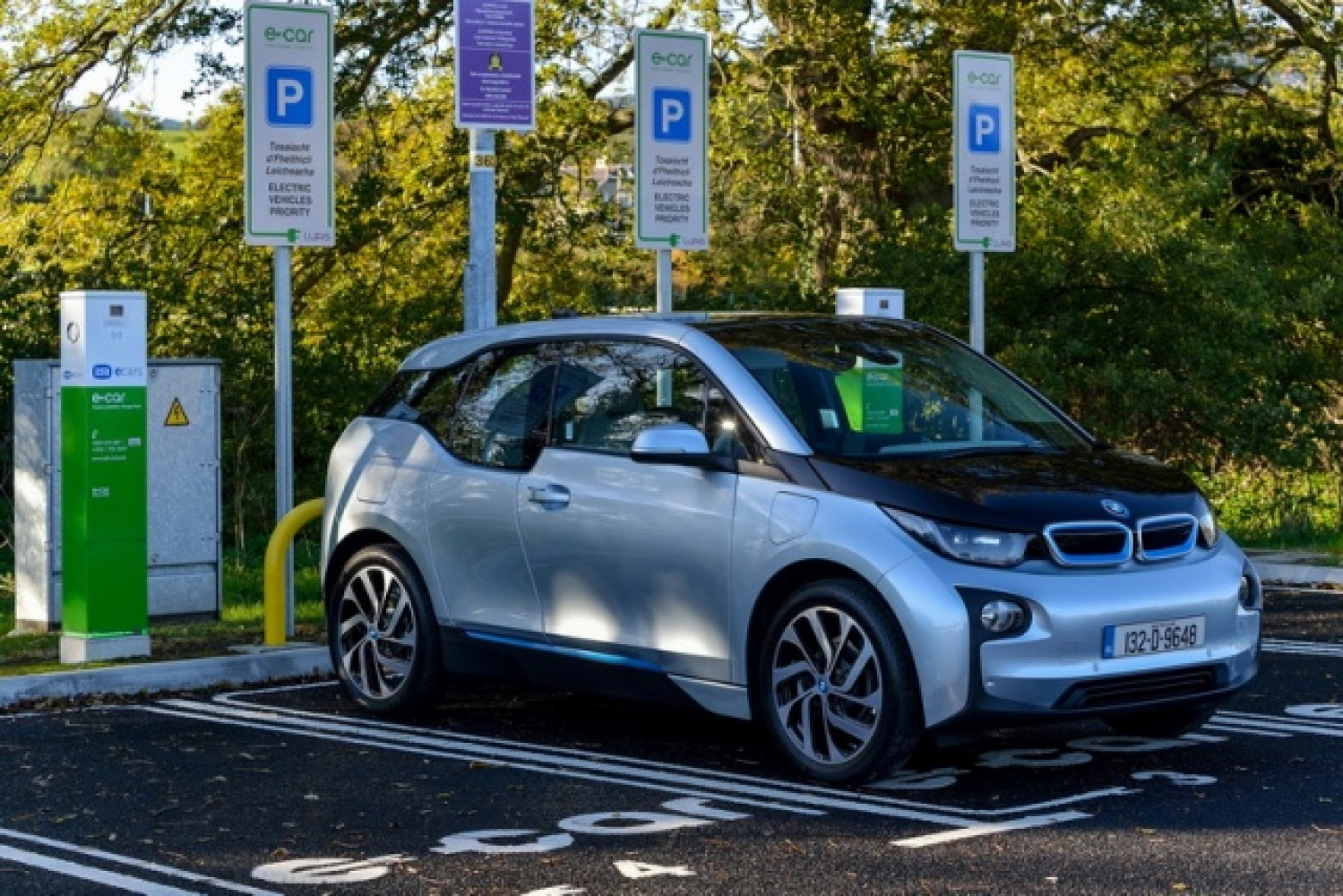
India's EV Revolution Accelerates
India's electric vehicle (EV) landscape is undergoing a transformative expansion with major players like Tata Power and Reliance Industries leading the charge in charging infrastructure development. The announcement of 50,000 new charging points across highways and cities marks a significant milestone in the country's transition to sustainable mobility. This ambitious initiative aims to address the critical infrastructure gap that has been a major barrier to widespread EV adoption in India.
The expansion comes at a pivotal time when India has set ambitious targets for EV adoption, including 30% of new vehicle sales by 2030. With current charging infrastructure falling short of demand, the deployment of 50,000 new charging points by Tata Power and Reliance represents a quantum leap forward. This network will span major highways, urban centers, and rural areas, ensuring that EV owners have convenient access to charging facilities regardless of their location.
The initiative not only addresses immediate infrastructure needs but also positions India as a leader in EV technology and sustainable transportation. By investing in a comprehensive charging network, Tata Power and Reliance are creating the foundation for a robust EV ecosystem that will drive economic growth, reduce carbon emissions, and enhance energy security.
As the charging network expands, it will catalyze the growth of the EV industry, attracting more manufacturers, creating jobs, and stimulating innovation in battery technology and vehicle design. The success of this initiative will be crucial in determining India's ability to meet its climate goals and transition to a low-carbon economy.
"This charging network will power India's EV revolution, making electric mobility accessible and convenient for millions."
— Mukesh Ambani, Chairman, Reliance Industries
Tata Power's Charging Infrastructure Leadership
Tata Power has emerged as a frontrunner in India's EV charging infrastructure development, leveraging its extensive energy expertise to create a comprehensive charging network. The company's strategy focuses on integrating renewable energy sources with charging stations, ensuring that EVs are powered by clean energy. Tata Power's network includes fast-charging stations capable of charging vehicles in 15-30 minutes, addressing the range anxiety that has hindered EV adoption.
The company's approach emphasizes smart grid integration, allowing for dynamic pricing and load management. This not only optimizes energy usage but also provides cost savings for EV owners. Tata Power's charging stations are equipped with advanced features like real-time monitoring, payment integration, and user-friendly apps, making the charging experience seamless and convenient.
Tata Power's expansion plans include strategic partnerships with automobile manufacturers, real estate developers, and government agencies. This collaborative approach ensures that charging infrastructure develops in tandem with EV adoption, creating a supportive ecosystem for electric mobility. The company's commitment to sustainability extends beyond charging stations to include battery recycling and energy storage solutions.
By investing in R&D and adopting cutting-edge technologies, Tata Power is setting new standards for EV infrastructure in India. The company's success in deploying thousands of charging points has demonstrated the scalability of its model and its potential to meet the growing demand for EV charging facilities.
Reliance's EV Ecosystem Development
Reliance Industries, under the leadership of Mukesh Ambani, has positioned itself as a key player in India's EV revolution through its comprehensive approach to infrastructure development. The conglomerate's EV ecosystem includes manufacturing, energy solutions, and charging networks, creating a vertically integrated model that addresses all aspects of electric mobility. Reliance's charging network focuses on high-traffic areas, ensuring maximum utilization and convenience for users.
The company's Jio-bp partnership has been instrumental in expanding the charging network, combining Reliance's digital expertise with bp's global energy knowledge. This collaboration has resulted in the deployment of advanced charging stations that support multiple vehicle types and charging standards. Reliance's network emphasizes interoperability, allowing EVs from different manufacturers to use the same charging infrastructure.
Reliance's approach includes innovative business models like battery-as-a-service and energy management solutions. The company is also investing in hydrogen fuel cell technology, positioning itself for the future of sustainable transportation. By integrating EV charging with renewable energy projects, Reliance is creating a holistic solution that reduces carbon emissions and promotes energy efficiency.
The scale of Reliance's operations, with plans for thousands of charging points, demonstrates the company's commitment to transforming India's transportation sector. Its investments in manufacturing and infrastructure are expected to create significant economic opportunities and establish India as a global hub for EV technology.
Nationwide Charging Network Expansion
The planned deployment of 50,000 charging points by Tata Power and Reliance represents a massive expansion of India's EV infrastructure. The network will cover major highways, connecting key cities and enabling long-distance travel for EV owners. Urban areas will see a proliferation of fast-charging stations in parking lots, shopping centers, and residential complexes, making EV charging as convenient as refueling conventional vehicles.
The expansion strategy includes a mix of charging speeds and types, from Level 2 chargers for home and workplace use to DC fast chargers for highway travel. This diverse approach ensures that the infrastructure meets the needs of different user segments, from daily commuters to long-haul drivers. The network will also incorporate smart technologies for optimal energy distribution and demand management.
Rural areas are not being left behind, with plans for solar-powered charging stations that can operate off-grid. This approach addresses the challenges of electricity availability in remote regions and promotes sustainable energy solutions. The expansion will also include charging solutions for electric buses, trucks, and two-wheelers, supporting the electrification of public transport and commercial vehicles.
The nationwide network will be supported by a unified payment and navigation platform, allowing users to locate, reserve, and pay for charging seamlessly. This digital ecosystem will enhance user experience and provide valuable data for optimizing the network's performance and expansion.
Challenges and Technological Innovations
Despite the ambitious plans, the expansion of EV charging infrastructure faces several challenges. Grid capacity limitations, especially in urban areas, pose significant hurdles for deploying high-power charging stations. The intermittent nature of renewable energy sources also complicates the integration of green charging solutions. Additionally, the lack of standardized charging protocols across manufacturers creates interoperability issues.
Tata Power and Reliance are addressing these challenges through technological innovations and strategic partnerships. Advanced grid management systems and energy storage solutions are being deployed to handle peak loads and ensure reliable power supply. The companies are also investing in AI-driven optimization tools that predict demand and manage energy distribution efficiently.
Standardization efforts are underway, with industry collaborations to establish common charging protocols. Wireless charging technology is being explored for seamless integration into parking infrastructure. These innovations not only solve current challenges but also position India at the forefront of EV technology development.
The companies are also focusing on cybersecurity and data privacy, ensuring that the digital infrastructure supporting the charging network is secure and compliant with regulations. This holistic approach addresses both technical and regulatory challenges, paving the way for sustainable growth.
Economic and Environmental Impact
The expansion of EV charging infrastructure will have far-reaching economic and environmental impacts. Economically, it will create thousands of jobs in manufacturing, installation, and maintenance of charging stations. The growth of the EV ecosystem will stimulate related industries, including battery production, software development, and renewable energy projects. This will contribute significantly to India's GDP and position the country as a leader in green technology.
Environmentally, the shift to electric mobility will reduce India's dependence on fossil fuels and lower greenhouse gas emissions. With charging stations powered by renewable energy, the carbon footprint of transportation will be significantly reduced. The initiative aligns with India's commitment to achieving net-zero emissions by 2070 and supports global climate goals.
The economic benefits extend to energy security, as reduced oil imports will strengthen India's balance of payments. The development of domestic manufacturing capabilities for charging equipment will also reduce reliance on imports and boost local industries.
Socially, the expansion will promote inclusive growth by making electric vehicles accessible to a broader population. Affordable charging solutions and government incentives will encourage EV adoption across income groups, contributing to sustainable development.
Future of EV Infrastructure in India
The charging network expansion by Tata Power and Reliance marks the beginning of a new era in India's transportation sector. As the infrastructure grows, it will drive innovation in battery technology, vehicle design, and energy management. The success of this initiative will depend on continued investment, policy support, and collaboration between stakeholders.
Future developments may include autonomous charging solutions, vehicle-to-grid integration, and AI-powered energy optimization. These advancements will not only enhance the efficiency of the charging network but also create new business models and revenue streams.
Internationally, India's EV infrastructure could serve as a model for other developing countries. The knowledge and experience gained from this expansion will position India as a global leader in sustainable transportation solutions.
As Tata Power and Reliance accelerate the deployment of charging stations, they are not just building infrastructure; they are powering India's transition to a sustainable future. The 50,000 charging points will serve as the backbone of India's EV revolution, enabling millions to embrace electric mobility and contribute to a cleaner, greener planet.


