
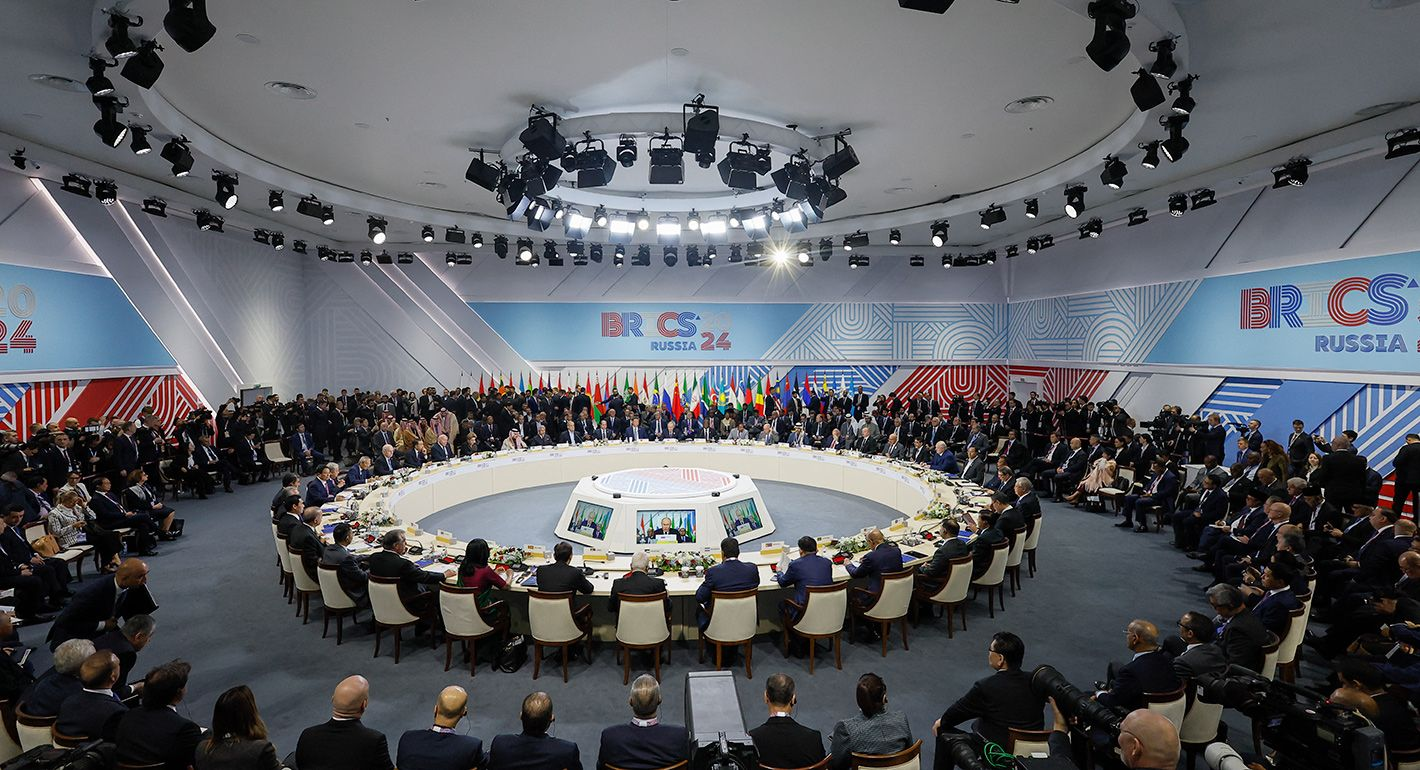
BRICS: A New Economic Paradigm
The BRICS grouping - Brazil, Russia, India, China, and South Africa - has emerged as a formidable force in global economic governance, challenging traditional Western-dominated institutions. As these five major emerging economies strengthen their ties, India has positioned itself as a key mediator and driving force in promoting South-South cooperation. The 15th BRICS Summit held in Johannesburg, South Africa, marked a watershed moment in this evolving partnership, showcasing unprecedented collaboration on trade, technology transfer, and sustainable development initiatives.
India's growing influence within BRICS stems from its strategic location, demographic dividend, and technological prowess. As the world's most populous democracy and a rapidly growing economy, India brings unique perspectives to the grouping. Prime Minister Narendra Modi's leadership has been instrumental in steering BRICS towards more inclusive and equitable global economic arrangements. The Johannesburg summit demonstrated how India is leveraging its position to bridge divides and foster consensus among diverse economic interests.
The BRICS nations collectively represent over 40% of the world's population and contribute significantly to global GDP. Their combined economic weight provides them with substantial bargaining power in international forums. India's role as a mediator becomes crucial in balancing the interests of China, the economic powerhouse, with those of other members. This balancing act has helped maintain BRICS' cohesion and effectiveness as a counterweight to Western economic dominance.
"BRICS represents the future of global economic cooperation, where developing nations drive their own destiny."
— Narendra Modi, Prime Minister of India
Johannesburg Summit: A Landmark in Cooperation
The Johannesburg summit, themed "BRICS and Africa: Partnership for Mutually Accelerated Growth, Sustainable Development and Inclusive Multilateralism," witnessed unprecedented levels of collaboration. India played a pivotal role in shaping the summit's agenda, emphasizing technology transfer, digital transformation, and sustainable development. The summit outcomes included significant agreements on trade facilitation, investment promotion, and joint initiatives in emerging technologies.
One of the key achievements was the establishment of the BRICS Partnership on New Industrial Revolution (PartNIR), which India championed. This initiative focuses on cooperation in artificial intelligence, blockchain, quantum computing, and other cutting-edge technologies. India's expertise in information technology and its large pool of skilled engineers position it as a natural leader in driving technological collaboration within BRICS.
The summit also saw the launch of the BRICS Agricultural Research Platform, aimed at enhancing food security and sustainable agriculture. India's experience in agricultural innovation and its Green Revolution legacy made it a key contributor to this initiative. These developments underscore India's growing influence in steering BRICS towards practical, outcome-oriented cooperation that benefits all member states.
The Johannesburg Declaration reflected India's emphasis on inclusive multilateralism and South-South cooperation. It called for reforms in global financial institutions and emphasized the need for a more representative international economic order. India's mediating role was evident in bridging differing positions on various issues, ensuring that the final document represented a consensus view.
Trade and Economic Integration
Trade has been a cornerstone of BRICS cooperation, and India has been instrumental in expanding intra-BRICS trade. The grouping has made significant progress in reducing trade barriers and enhancing market access. India's push for the BRICS Customs Cooperation Committee has streamlined customs procedures and facilitated smoother trade flows among member countries.
The establishment of the New Development Bank (NDB) and the Contingent Reserve Arrangement (CRA) has provided BRICS with alternative financing mechanisms. India, as a founding member, has actively utilized these institutions for infrastructure development and economic projects. The NDB has financed several projects in India, including renewable energy initiatives and transportation infrastructure, demonstrating the tangible benefits of BRICS economic cooperation.
India's growing influence is also evident in the expansion of BRICS to include new members. The inclusion of Egypt, Iran, UAE, Saudi Arabia, and Ethiopia as partners reflects India's vision of a more inclusive BRICS Plus framework. This expansion strengthens South-South cooperation and provides India with additional platforms to promote its economic interests and mediate between different regional blocs.
The BRICS Business Council, where India plays a leading role, has been crucial in fostering private sector engagement. Indian companies have increasingly participated in BRICS business forums, leading to joint ventures and investment opportunities. This private sector involvement has given substance to BRICS economic cooperation beyond government-to-government interactions.
Technology Transfer and Innovation
Technology transfer has emerged as a key area where India exerts significant influence within BRICS. The country's IT sector expertise and innovation ecosystem make it a valuable partner for other member states. The BRICS Technology Transfer Cooperation Framework, proposed by India, aims to facilitate the exchange of technologies in areas like renewable energy, biotechnology, and digital transformation.
India's space program achievements, including the successful Chandrayaan missions and the development of cost-effective launch vehicles, have inspired similar initiatives in other BRICS countries. The BRICS Remote Sensing Satellite Constellation is a prime example of successful technology collaboration, with India providing crucial satellite technology and expertise.
The digital transformation initiatives championed by India include the BRICS Digital Economy Working Group. India's experience with Aadhaar, the world's largest biometric identity system, and its digital payment revolution through UPI, have positioned it as a leader in digital innovation. These initiatives are helping bridge the digital divide within BRICS and promoting inclusive growth.
India's pharmaceutical sector has also contributed significantly to BRICS cooperation, especially during the COVID-19 pandemic. The country's vaccine production capabilities and technology transfer agreements have strengthened health security cooperation within the grouping. These efforts have enhanced India's stature as a responsible global player committed to equitable technology sharing.
Sustainable Development and Climate Action
Sustainable development has become a central theme in BRICS cooperation, with India playing a leading role in promoting green growth and climate action. The BRICS Working Group on Environment, established under India's initiative, coordinates efforts on biodiversity conservation, pollution control, and climate change mitigation. India's ambitious renewable energy targets and its leadership in the International Solar Alliance demonstrate its commitment to sustainable development.
The Johannesburg summit saw significant progress in BRICS' approach to climate finance and technology transfer for developing countries. India successfully advocated for increased support for climate-vulnerable nations and emphasized the need for equitable burden-sharing in global climate action. The BRICS Climate Action Plan reflects India's vision of inclusive and sustainable development.
India's influence extends to promoting circular economy principles within BRICS. The country's waste-to-wealth initiatives and emphasis on resource efficiency have inspired similar programs in other member states. The BRICS Partnership on Waste Management and Resource Efficiency is a direct outcome of India's advocacy for sustainable resource utilization.
The summit's focus on Africa-BRICS partnership also reflects India's commitment to South-South cooperation. Initiatives like the BRICS-Africa Partnership for Sustainable Development aim to transfer technologies and best practices to African nations, promoting inclusive growth across the Global South.
India's Mediating Role and Diplomatic Influence
India's mediating role within BRICS has become increasingly prominent, especially in navigating complex geopolitical dynamics. As a democratic nation with strong ties to both Western and non-Western countries, India brings a unique perspective to BRICS deliberations. Its ability to maintain balanced relationships with all member states while pursuing its national interests has enhanced its influence within the grouping.
The India-China border tensions have tested BRICS unity, but India's diplomatic approach has ensured that bilateral issues do not derail multilateral cooperation. By focusing on areas of common interest and maintaining open channels of communication, India has helped preserve BRICS' effectiveness as a platform for South-South dialogue.
India's growing influence is also evident in its ability to shape BRICS' engagement with global institutions. It has successfully advocated for reforms in the United Nations, World Bank, and IMF, pushing for greater representation of developing countries. This leadership role has enhanced India's stature as a voice for the Global South.
The expansion of BRICS to include new partners reflects India's vision of a more inclusive global order. By championing the inclusion of Middle Eastern and African nations, India has broadened BRICS' geopolitical reach and strengthened its position as a bridge between different regions.
Challenges and Future Prospects
Despite significant progress, BRICS faces several challenges that India must navigate. Geopolitical tensions, economic disparities among members, and differing political systems can complicate cooperation. India's mediating role becomes crucial in addressing these challenges and maintaining BRICS' momentum.
The ongoing Ukraine conflict has impacted Russia-BRICS relations, requiring careful diplomatic balancing. India has managed this challenge by maintaining its strategic autonomy while continuing to engage with all BRICS members. This approach has preserved BRICS' relevance as a platform for dialogue and cooperation.
Economic divergences, particularly between China and other members, pose another challenge. India's growing economic ties with the US and other Western countries have raised questions about its commitment to BRICS. However, India's active participation in BRICS initiatives demonstrates its continued dedication to South-South cooperation.
Looking ahead, India's influence in BRICS is expected to grow further. As the grouping expands and deepens its cooperation, India's technological expertise, diplomatic skills, and economic potential will be increasingly valuable. The success of initiatives like the BRICS Currency Reserve Arrangement and enhanced trade cooperation will depend significantly on India's continued leadership.
Reshaping Global Economic Dynamics
The Johannesburg summit has set the stage for BRICS to play a more prominent role in global economic governance. India's growing influence within the grouping positions it as a key player in reshaping international economic relations. By promoting South-South cooperation and advocating for developing countries' interests, India is contributing to a more multipolar world order.
The BRICS model of cooperation, with India as a central mediator, offers an alternative to Western-dominated institutions. This approach emphasizes mutual respect, equitable partnerships, and shared prosperity. As global economic power shifts towards the East and South, India's role in BRICS will be crucial in ensuring that this transition benefits all stakeholders.
India's success in leveraging BRICS for its development agenda while contributing to global good demonstrates the effectiveness of multilateral diplomacy. The country's growing influence within BRICS not only enhances its own economic prospects but also strengthens the collective bargaining power of developing nations.
As BRICS continues to evolve, India's mediating role will be essential in navigating complex global challenges. From climate change to digital transformation, India's contributions to BRICS cooperation are helping create a more inclusive and sustainable global economic system. The Johannesburg summit marks not just a milestone in BRICS history, but also in India's emergence as a responsible global leader committed to equitable development for all.


