
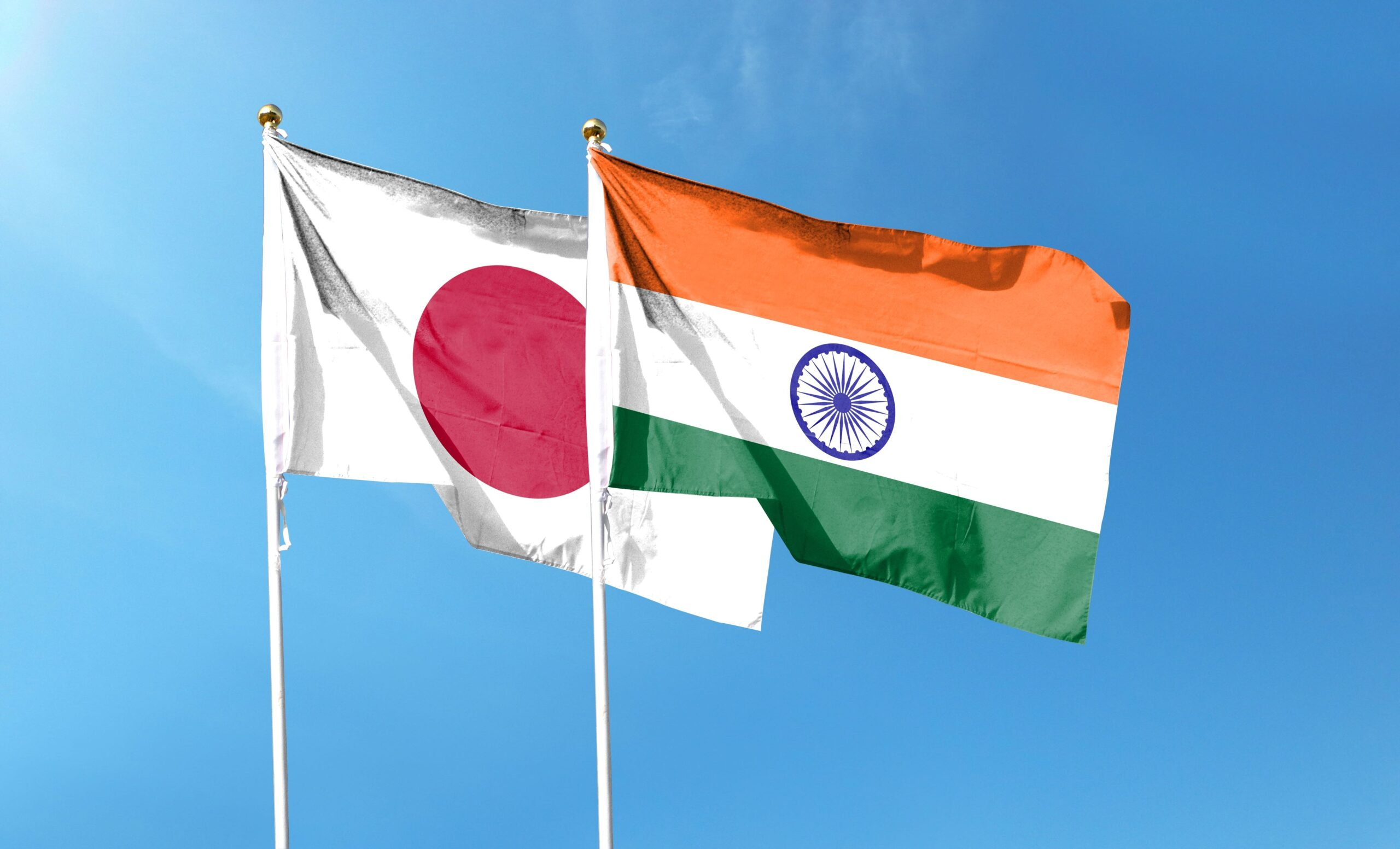
Strategic Partnership in the Indo-Pacific
The India-Japan strategic partnership has reached new heights with recent defense and technology agreements that underscore both nations' commitment to a free and open Indo-Pacific. As geopolitical tensions rise in the region, India and Japan are deepening their bilateral ties to promote security, stability, and economic prosperity. The latest round of agreements marks a significant evolution in their relationship, transforming it from a primarily economic partnership into a comprehensive strategic alliance.
Prime Minister Narendra Modi's recent visit to Tokyo and Japanese Prime Minister Fumio Kishida's reciprocal trip to New Delhi have accelerated this momentum. The two leaders have emphasized the importance of their "Special Strategic and Global Partnership" in addressing common challenges ranging from maritime security to climate change. This enhanced cooperation comes at a critical time when both nations are navigating complex regional dynamics involving China's growing influence and the need for a rules-based international order.
The partnership's strategic significance lies in the complementary strengths of both nations. India's demographic dividend and growing economic power combine with Japan's technological expertise and financial capabilities to create a formidable alliance. Together, they represent the world's largest democracy and its third-largest economy, providing a counterbalance to authoritarian tendencies in the region.
"India and Japan stand together as natural partners in ensuring a free, open, and prosperous Indo-Pacific."
— Narendra Modi, Prime Minister of India
Defense and Security Cooperation
Defense cooperation has emerged as the cornerstone of India-Japan relations, with both nations signing landmark agreements to enhance military interoperability and joint exercises. The recent Defense Cooperation Agreement expands the scope of their military-to-military engagements, including joint naval exercises, intelligence sharing, and defense technology collaboration. This agreement builds on the 2015 Defense Cooperation Guidelines and reflects the growing convergence of their security interests.
The Malabar naval exercises, which now include Australia in a trilateral format, have become a key platform for demonstrating India-Japan maritime cooperation. These exercises focus on anti-submarine warfare, maritime domain awareness, and complex operations in contested environments. The inclusion of Japan in these exercises marks a significant departure from its post-World War II pacifist stance and underscores its growing role in regional security.
Technology transfer in defense has been another major focus, with Japan agreeing to share sensitive technologies with India. This includes cooperation in missile defense systems, radar technology, and unmanned aerial vehicles. The joint development of next-generation defense equipment is expected to reduce India's dependence on traditional suppliers and enhance its indigenous defense capabilities.
Both nations are also collaborating on cybersecurity and counter-terrorism, recognizing these as transnational threats that require coordinated responses. The establishment of a joint cyber defense framework aims to protect critical infrastructure and promote information sharing on cyber threats emanating from state and non-state actors.
Technology and Economic Integration
Economic cooperation forms the bedrock of India-Japan relations, with technology transfer playing a pivotal role in deepening bilateral ties. Japan's Official Development Assistance (ODA) to India has been instrumental in infrastructure development, particularly in the transportation and energy sectors. The recent agreements include Japanese investment in India's semiconductor manufacturing and renewable energy projects.
The Comprehensive Economic Partnership Agreement (CEPA) has facilitated increased trade and investment between the two countries. Japan has emerged as India's largest source of foreign direct investment in manufacturing, with companies like Toyota, Honda, and Mitsubishi establishing significant operations in India. The partnership extends to emerging technologies, including artificial intelligence, 5G networks, and quantum computing.
India's digital transformation initiatives have found a willing partner in Japan, which brings its expertise in robotics and automation. The joint development of smart cities and digital infrastructure projects aims to create sustainable urban environments. The collaboration extends to space technology, with both nations working on satellite development and space situational awareness.
The supply chain resilience initiative, launched in response to global disruptions, seeks to diversify manufacturing bases and reduce dependence on single sources. Japan's experience in lean manufacturing and India's cost advantages create synergies that benefit both economies. The partnership also includes cooperation in pharmaceuticals and healthcare technology, particularly in vaccine development and medical equipment manufacturing.
Indo-Pacific Strategic Alignment
The India-Japan partnership is deeply rooted in their shared vision for a free and open Indo-Pacific. Both nations advocate for the rule of law, freedom of navigation, and peaceful resolution of disputes. Their cooperation extends beyond bilateral interests to include regional initiatives that promote connectivity and prosperity. The Asia-Africa Growth Corridor, co-developed by India and Japan, exemplifies their commitment to inclusive development.
Maritime security cooperation has gained prominence, with both nations conducting joint patrols and participating in multilateral exercises. The strategic location of India and Japan allows them to monitor key maritime chokepoints and ensure the safety of international shipping lanes. Their collaboration in the Indian Ocean Region complements Japan's interests in the Pacific and strengthens the overall security architecture.
Both countries are also working together in multilateral forums like the Quad (Quadrilateral Security Dialogue) involving the United States and Australia. While maintaining their independent foreign policies, India and Japan coordinate their approaches to regional issues, ensuring that their voices are heard in shaping the Indo-Pacific's future. This alignment extends to climate change cooperation, with joint initiatives in renewable energy and disaster management.
The partnership's focus on quality infrastructure development through initiatives like the Japan-India Infrastructure Forum aims to create sustainable and transparent projects. This approach stands in contrast to debt-trap diplomacy concerns associated with other regional actors, promoting a model of responsible development that benefits all stakeholders.
Recent Developments and Agreements
The recent high-level exchanges have resulted in concrete agreements that institutionalize the partnership. The Joint Declaration on the Advancement of the Special Strategic and Global Partnership outlines a roadmap for the next decade, covering defense, economic, and cultural cooperation. The agreement includes specific timelines and deliverables, ensuring that the partnership translates into tangible outcomes.
In the defense realm, the Acquisition and Cross-Servicing Agreement (ACSA) facilitates mutual logistical support during joint exercises and humanitarian operations. This agreement enhances the operational capabilities of both militaries and demonstrates their commitment to each other's security. The Technology Transfer Agreement for defense equipment aims to accelerate joint development programs and reduce technology gaps.
Economic agreements include the establishment of a Joint Investment Fund to promote startups and innovation. The fund will focus on emerging technologies and sustainable development projects. The Memorandum of Cooperation on digital transformation aims to create interoperable digital ecosystems and promote data privacy standards.
Cultural and educational exchanges have also been strengthened, with agreements to increase student mobility and joint research programs. These initiatives aim to build people-to-people connections that sustain the partnership beyond government-to-government interactions. The establishment of sister city relationships and cultural festivals promotes mutual understanding and goodwill.
Challenges and Future Prospects
Despite the deepening partnership, India and Japan face several challenges. Domestic political dynamics in both countries can influence the pace of cooperation. Japan's pacifist constitution and India's strategic autonomy require careful navigation of defense agreements. Economic disparities and different regulatory frameworks sometimes complicate joint projects.
Geopolitical tensions in the region pose both challenges and opportunities. The need to balance relations with China while strengthening bilateral ties requires diplomatic finesse. Both nations must also address concerns about technology transfer and intellectual property protection. However, these challenges are outweighed by the strategic imperative of their partnership.
The future prospects for India-Japan relations are bright, with both nations committed to expanding their cooperation. The partnership is expected to evolve into a comprehensive alliance that addresses global challenges like climate change, pandemics, and economic inequality. Joint initiatives in emerging technologies and sustainable development will position them as leaders in the Indo-Pacific.
As the Indo-Pacific becomes the center of global geopolitics, the India-Japan strategic partnership will play a crucial role in shaping regional dynamics. Their commitment to democratic values, economic prosperity, and security cooperation offers a model for other partnerships in the region. The deepening ties between these two major powers signal a new era of collaboration that will influence global affairs for decades to come.
A Partnership for Global Good
The India-Japan strategic partnership transcends bilateral interests to contribute to global stability and prosperity. Both nations' commitment to multilateralism and the rules-based international order makes their alliance a force for good in an uncertain world. As they deepen their defense and technology cooperation, India and Japan are not just strengthening their own security but also promoting peace and development in the Indo-Pacific region.
The partnership's emphasis on technology transfer and capacity building helps developing countries in the region. Initiatives like the Asia-Africa Growth Corridor demonstrate how India and Japan are using their combined strengths to promote inclusive development. This approach contrasts with zero-sum geopolitics and offers a positive vision for regional cooperation.
As global challenges multiply, the India-Japan partnership provides a model for how democracies can work together to address common threats. Their collaboration in defense, technology, and economic development shows that shared values and mutual interests can overcome historical differences and geographical distances. The deepening of this partnership marks a significant milestone in Asia-Pacific geopolitics and sets the stage for a more cooperative future.
In an era of increasing geopolitical competition, India and Japan stand as beacons of democratic partnership. Their commitment to each other's security and prosperity, combined with their shared vision for the Indo-Pacific, creates a powerful alliance that will shape the region's future. As they continue to strengthen their ties through new agreements and initiatives, both nations are building not just a strategic partnership, but a lasting friendship that will benefit generations to come.


