
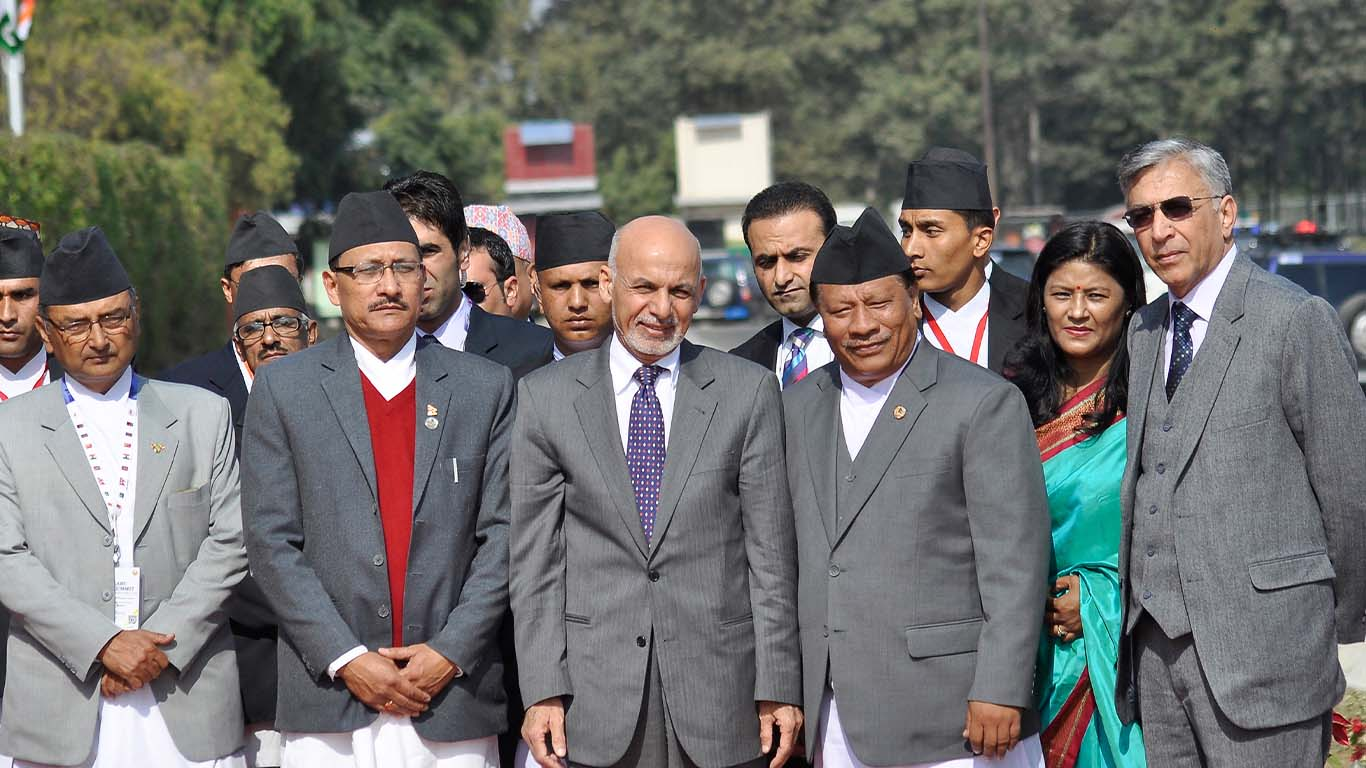
SAARC Summit: A New Chapter in Regional Cooperation
In a significant development for South Asian regional cooperation, leaders from the eight SAARC member nations have gathered in Kathmandu, Nepal, for the 19th South Asian Association for Regional Cooperation (SAARC) summit. Despite longstanding political tensions and bilateral disputes, the summit represents a renewed commitment to addressing shared challenges including climate change, terrorism, and economic integration. The gathering brings together heads of state from Afghanistan, Bangladesh, Bhutan, India, Maldives, Nepal, Pakistan, and Sri Lanka in a rare display of diplomatic unity.
The Kathmandu summit comes at a critical juncture when South Asia faces unprecedented challenges from climate change impacts, economic disruptions, and security threats. With the region home to nearly 1.9 billion people and accounting for a significant portion of global climate-vulnerable populations, the need for coordinated action has never been more urgent. The summit's focus on cross-border cooperation reflects growing recognition that many challenges transcend national boundaries and require collective solutions.
The summit agenda encompasses a wide range of issues, from climate adaptation and disaster management to counter-terrorism cooperation and trade liberalization. Despite historical rivalries, particularly between India and Pakistan, the participating nations have shown remarkable pragmatism in prioritizing regional stability and prosperity over bilateral differences. This approach marks a departure from previous summits that were often overshadowed by political standoffs.
"South Asia must unite to face the existential threats of climate change and terrorism. Our shared destiny demands shared responsibility."
— Prime Minister of Nepal, Summit Host
Climate Change and Environmental Cooperation
Climate change has emerged as the most pressing issue on the SAARC summit agenda, with South Asia being one of the most vulnerable regions to climate impacts. The summit has focused on developing a comprehensive regional framework for climate adaptation and mitigation, recognizing that individual national efforts are insufficient to address transboundary environmental challenges. The Himalayan region, shared by several SAARC countries, faces particular threats from glacial melt and changing precipitation patterns.
The leaders have committed to enhancing cooperation on disaster risk reduction, early warning systems, and climate-resilient infrastructure development. A key outcome of the summit is the establishment of a South Asian Climate Adaptation Fund, which will support joint projects in flood management, drought mitigation, and sustainable agriculture. The fund aims to leverage international climate finance while promoting regional knowledge sharing and technology transfer.
Environmental cooperation extends beyond climate change to include biodiversity conservation and pollution control. The summit has emphasized the need for coordinated action on air quality management, given that transboundary air pollution affects multiple countries in the region. Joint monitoring systems and shared environmental standards are expected to improve regional environmental governance.
The summit has also highlighted the potential for green energy cooperation, with several countries committing to joint renewable energy projects. Regional power trading and cross-border transmission lines could enhance energy security while reducing reliance on fossil fuels. These initiatives not only address environmental concerns but also create economic opportunities through clean energy development.
Counter-Terrorism and Security Cooperation
Security cooperation has been a cornerstone of SAARC activities, with the summit focusing on strengthening regional mechanisms to combat terrorism and transnational crime. Despite political differences, the member states have reaffirmed their commitment to the SAARC Convention on Suppression of Terrorism and agreed to enhance intelligence sharing and joint operations against terrorist networks. The summit's emphasis on security reflects the shared threat posed by extremist groups operating across South Asian borders.
The leaders have discussed the establishment of a regional counter-terrorism center that would facilitate information exchange and coordinated responses to security threats. This initiative builds on existing bilateral and multilateral security arrangements while providing a SAARC-specific framework for addressing terrorism. The summit has also addressed the growing challenge of cyber threats, with commitments to develop regional cybersecurity capabilities and information sharing protocols.
Beyond terrorism, the summit has tackled other security challenges including human trafficking, drug smuggling, and maritime security. The coastal SAARC nations have agreed to enhance cooperation on maritime domain awareness and search-and-rescue operations. These measures aim to strengthen regional security architecture while promoting stability essential for economic development.
The security discussions have been notable for their pragmatic approach, focusing on operational cooperation rather than political rhetoric. This shift reflects growing recognition that security threats require collective action, even among nations with strained bilateral relations.
Economic Integration and Trade Liberalization
Economic integration remains a key priority for SAARC, with the summit focusing on reviving momentum toward a South Asian Free Trade Area (SAFTA). Despite slow progress in the past, the leaders have committed to accelerating trade liberalization and reducing non-tariff barriers that hinder regional commerce. The summit has set ambitious targets for increasing intra-regional trade, which currently accounts for less than 5% of total South Asian trade.
The discussions have covered multiple aspects of economic cooperation, including investment promotion, infrastructure development, and connectivity enhancement. The leaders have endorsed the development of regional transport corridors and digital connectivity initiatives that would facilitate the movement of goods, services, and people. These projects aim to reduce transaction costs and improve market access across the region.
The summit has also addressed the digital economy, with commitments to harmonize e-commerce regulations and promote digital trade. South Asian nations are increasingly recognizing the potential of digital technologies to drive economic growth and social development. Joint initiatives in digital infrastructure and skills development are expected to create new opportunities for regional cooperation.
Beyond traditional trade issues, the summit has emphasized sustainable development and inclusive growth. The leaders have discussed ways to address poverty, inequality, and unemployment through regional initiatives. This holistic approach recognizes that economic integration must benefit all segments of society and contribute to the Sustainable Development Goals.
Overcoming Political Challenges
The SAARC summit has been remarkable for its ability to maintain momentum despite significant political challenges. India-Pakistan relations, long characterized by mistrust and conflict, have not derailed the regional cooperation agenda. The leaders have demonstrated maturity in separating bilateral issues from multilateral cooperation, focusing instead on areas of common interest and shared benefit.
The summit's success reflects changing geopolitical dynamics in South Asia, where economic interdependence and global challenges are increasingly influencing national priorities. The COVID-19 pandemic and climate change have underscored the limitations of unilateral approaches and the benefits of regional cooperation. This realization has helped overcome traditional political obstacles and fostered a more pragmatic approach to regional relations.
The Kathmandu Declaration, adopted at the summit, represents a comprehensive roadmap for regional cooperation. While not all commitments are legally binding, the declaration provides a framework for future action and accountability. The establishment of monitoring mechanisms and regular review processes aims to ensure that summit decisions translate into concrete outcomes.
The summit's emphasis on implementation and follow-through marks a departure from previous gatherings that often resulted in ambitious declarations but limited action. The leaders have committed to regular ministerial meetings and technical-level consultations to maintain momentum between summits.
Future Prospects and Global Implications
The Kathmandu summit has set the stage for a more cooperative South Asia, with potential implications for regional stability and global affairs. Enhanced SAARC cooperation could contribute to broader peace and prosperity in the Indo-Pacific region, countering narratives of inevitable conflict. The summit's focus on climate action and sustainable development aligns with global priorities and positions South Asia as a constructive player in international climate negotiations.
Economically, stronger regional integration could unlock significant growth potential, creating jobs and improving living standards across the region. The combined market of 1.9 billion people represents a substantial opportunity for trade and investment. Successful SAARC cooperation could also serve as a model for other regions facing similar challenges.
The summit's outcomes will depend on sustained political will and effective implementation. While challenges remain, the Kathmandu gathering has demonstrated that South Asian nations can work together despite differences. The coming years will test the region's ability to translate summit commitments into tangible results that benefit millions of people.
As the summit concludes, there is cautious optimism about the future of SAARC. The leaders have shown that regional cooperation is not only possible but essential for addressing the complex challenges facing South Asia. The Kathmandu summit may well be remembered as a turning point in South Asian regionalism, marking the beginning of a more integrated and prosperous region.


